How to Get Rid of Milia Fast: What Actually Works?

Milia are small white bumps that commonly appear around the eyes, cheeks, nose, and forehead. Although they are harmless, many people want to remove them because they can affect the skin’s texture and appearance. Understanding what causes milia and learning which treatments actually work can help you choose safe and effective solutions for smoother-looking skin.
Key Takeaways
- Learn what milia are and why they commonly develop around the eyes, cheeks, and forehead.
- Discover the most common causes of milia, including skincare products, sun damage, and dead skin buildup.
- Understand which at-home treatments and professional skincare procedures may help remove milia safely and effectively.
- Find out which skincare ingredients may help prevent milia from returning.
- Learn what habits and products to avoid if you are prone to milia.
- Explore when it may be beneficial to seek professional skincare support for persistent or recurring milia.
What Are Milia?
Milia are
tiny white or yellowish bumps that form when keratin becomes trapped beneath the skin’s surface. Keratin is a protein naturally found in the skin, hair, and nails. Unlike acne, milia are not caused by bacteria or clogged pores filled with oil.
These bumps are usually painless and commonly develop around delicate areas of the face, especially under the eyes, on the cheeks, forehead, and nose. Milia can affect both adults and children, and while some cases disappear naturally, others may persist without treatment.
Types of Milia
There are several different types of milia, each with unique causes and characteristics.
Primary Milia
Primary milia develop naturally when dead skin cells become trapped beneath the skin. This is the most common type found in adults and children.
Secondary Milia
Secondary milia may develop after skin trauma such as burns, rashes, cosmetic procedures, or
excessive sun exposure.
Neonatal Milia
These are common in newborn babies and often disappear on their own within a few weeks.
Milia en Plaque
This less common type appears as clusters of milia on raised patches of skin and may require professional evaluation.
What Is the Root Cause of Milia?
Understanding the root causes of milia is important for both treatment and prevention. Milia form when dead skin cells and keratin become trapped beneath the outer layer of the skin instead of shedding naturally.
Common Causes of Milia
Several factors can contribute to the development of milia.
Dead Skin Buildup
When dead skin cells accumulate on the skin’s surface, they can become trapped and form small cysts.
Sun Damage
Long-term UV exposure can thicken the skin and interfere with the natural exfoliation process.
Heavy Skincare Products
Rich creams, oil-based products, and thick eye creams may contribute to milia formation, especially around sensitive areas.
Aging Skin
As skin ages, cell turnover slows down, making it easier for keratin to become trapped beneath the skin.
Skin Trauma
Procedures, burns, or irritation can damage the skin and trigger secondary milia.
Long-Term Steroid Use
Some topical steroid products may increase the likelihood of developing milia over time.
Who Is Most Likely to Get Milia?
Milia can affect anyone, but they are more common in certain individuals, including:
- Adults with aging or sun-damaged skin
- People who use heavy skincare products
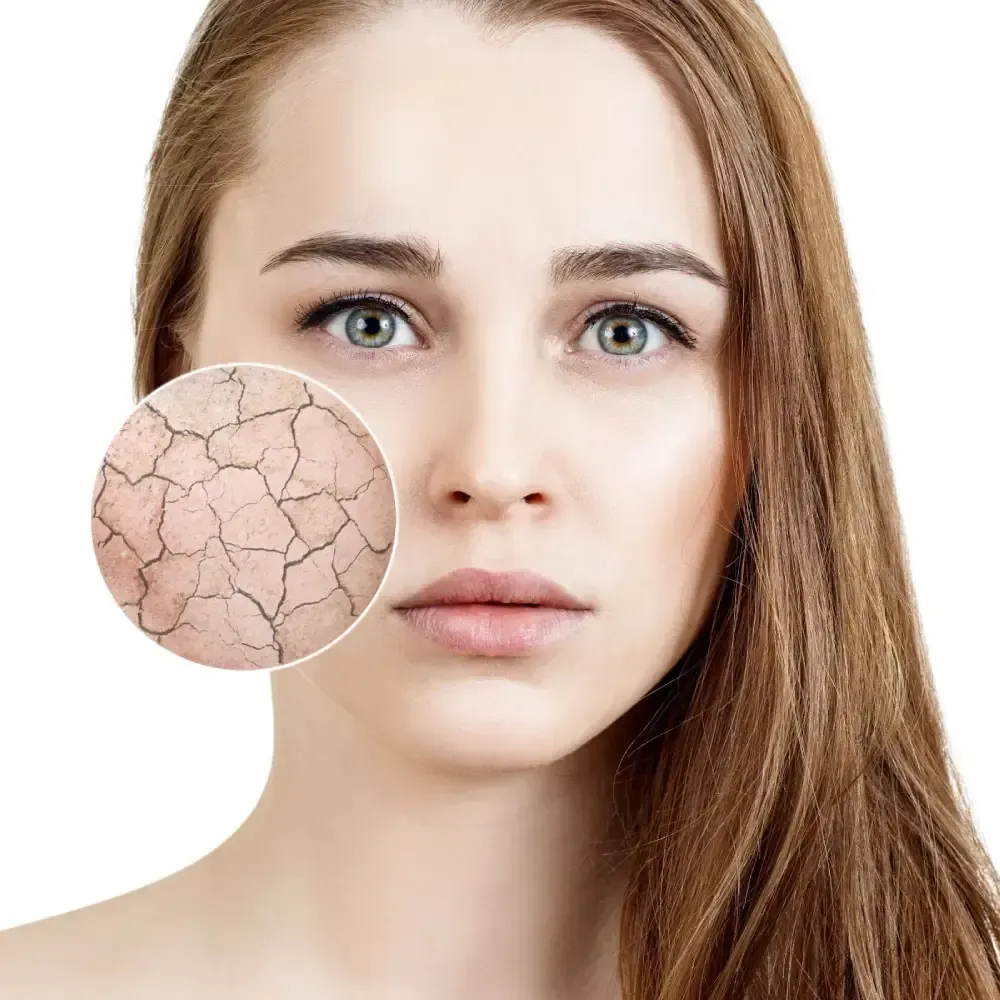
- Individuals with dry skin
- Babies and newborns
- People recovering from skin irritation or cosmetic procedures
How to Get Rid of Milia Fast: What Actually Works?
Many people want fast results when treating milia, but safe treatment is essential to avoid irritation or scarring. The most effective solution depends on the severity and persistence of the bumps.
Professional Milia Removal Treatments
Professional treatments can help remove stubborn milia safely and effectively.
Extraction
A skincare professional may use sterile tools to carefully extract the trapped keratin from beneath the skin.
Chemical Peels
Chemical peels exfoliate the outer layer of dead skin cells and encourage faster skin renewal.
Microdermabrasion
This treatment gently exfoliates the skin to improve texture and reduce buildup.
Laser Treatment
Laser procedures may help treat persistent or widespread milia.
Cryotherapy
In some cases, controlled freezing techniques may be used to remove milia.
At-Home Treatments for Milia
Mild cases of milia may improve with consistent skincare and gentle exfoliation.
.
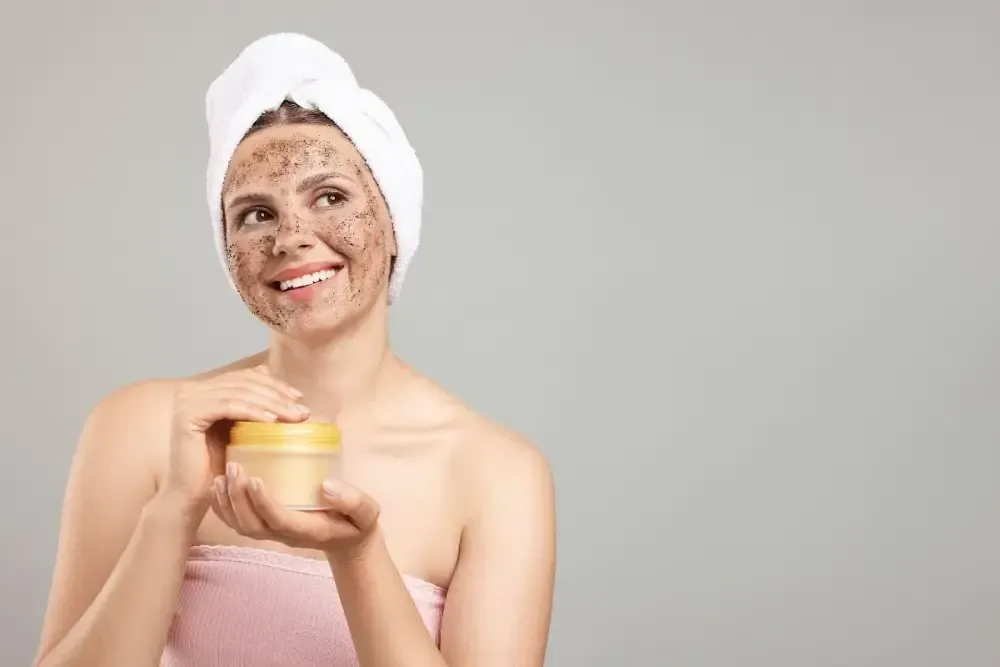
Gentle Exfoliation
Exfoliating products can help remove dead skin buildup that contributes to milia.
Retinoids
Retinol and retinoid products may support faster skin cell turnover.
Salicylic Acid
Salicylic acid helps exfoliate and improve overall skin texture.
Glycolic Acid
Glycolic acid helps remove dead skin cells from the surface of the skin.
Proper Cleansing
Using a gentle cleanser twice daily may help maintain healthy skin and reduce buildup.
What NOT to Do With Milia
Improper treatment methods can worsen irritation and increase the risk of scarring.
- Avoid squeezing or popping milia
- Do not use sharp extraction tools at home
- Avoid harsh scrubs or excessive exfoliation
- Limit the use of thick or heavy skincare products
Which Products Are Best for Removing Milia?
Certain skincare ingredients may help support healthy skin turnover and reduce the likelihood of milia formation.
Ingredients That May Help:
- Retinol: Promotes cell turnover and may help reduce stubborn milia over time.
- Salicylic Acid: This exfoliating ingredient may help clear dead skin buildup.
- Lactic Acid: Gently exfoliates while helping maintain skin hydration.
- Niacinamide: Supports skin barrier health and may help calm irritation.
Products to Avoid if You’re Prone to Milia:
Some products may increase the likelihood of developing milia.
- Heavy eye creams
- Thick petroleum-based products
- Oil-heavy moisturizers
- Occlusive makeup products
How Long Does Milia Usually Last?
The duration of milia depends on the type and severity. Some cases disappear naturally within a few weeks, while others may persist for several months without treatment.
Can Milia Go Away on Its Own?
Milia in babies often clear naturally without treatment. In adults, persistent milia may require exfoliation or professional treatments for faster improvement.
How to Prevent Milia From Coming Back
Preventing milia involves maintaining healthy skincare habits and choosing products that support proper skin renewal.
Best Skincare Habits for Prevention
- Regular Exfoliation: Gentle exfoliation may help prevent dead skin cells from becoming trapped beneath the skin.
- Use Non-Comedogenic Products: Lightweight, non-comedogenic skincare products may reduce congestion.
- Wear Sunscreen Daily: Daily sun protection can help prevent skin thickening caused by UV exposure.
- Remove Makeup Properly: Removing makeup thoroughly before bed may help prevent buildup and clogged skin.
When Should You See a Skincare Professional for Milia?
While milia are generally harmless, persistent or widespread bumps may benefit from professional care. A skincare professional can evaluate your skin and recommend appropriate treatment options based on your skin type and concerns.
You may want to seek professional skincare support if:
- Milia continue to return
- The bumps become irritated
- You are unsure whether the bumps are milia
- The milia appear around sensitive areas like the eyes
- At-home treatments are not effective
Milia vs. Whiteheads: What’s the Difference?
Milia and whiteheads may look similar, but they are different skin conditions. Whiteheads are a type of acne caused by clogged pores, oil, and bacteria. Milia are small cysts filled with trapped keratin beneath the skin.
Unlike whiteheads, milia are usually firm, painless, and do not become inflamed. Because of this, they often require different treatment approaches.
Frequently Asked Questions
What triggers milia?
Milia may be triggered by dead skin buildup, heavy skincare products, sun damage, aging skin, and skin trauma.
Are milia more common in older people?
Yes. Aging skin experiences slower cell turnover, which may increase the likelihood of trapped keratin and milia formation.
Can you permanently remove milia?
Professional treatments can remove existing milia, but new milia may still form if contributing factors remain.
Will milia go away on its own?
Some milia disappear naturally, especially in babies. Persistent adult milia may require treatment.
How are milia removed?
Milia may be removed through extraction, exfoliation, chemical peels, laser treatments, or retinoid-based skincare.
Can vitamin deficiency cause milia?
There is limited evidence directly linking vitamin deficiencies to milia, although overall skin health may be affected by nutrition.
Is it safe to pop milia at home?
No. Attempting to pop milia at home may lead to irritation, infection, or scarring.
Can retinol remove milia?
Retinol may help improve skin turnover and reduce the appearance of milia over time.
Why do milia keep coming back?
Recurring milia may result from heavy skincare products, inadequate exfoliation, or ongoing sun damage.
Are milia caused by skincare products?
Certain thick or oil-heavy products may contribute to milia formation, especially around the eyes.
Professional Skincare Solutions for Milia
Managing milia often requires a combination of proper skincare habits, gentle exfoliation, and professional guidance to help improve skin texture and prevent recurring bumps. While some cases may resolve naturally, persistent milia can benefit from targeted skincare treatments designed to support smoother and healthier-looking skin.
For individuals seeking professional skincare support, Tala Wellness Studio, a premier day spa in Summerville, offers personalized skincare services tailored to a variety of skin concerns, including texture irregularities, clogged pores, and overall skin rejuvenation. Their skincare treatments may include customized facials, exfoliating treatments, anti-aging skincare services, and professional skin assessments designed to help clients achieve clearer, smoother, and more radiant-looking skin.
Contact Tala Wellness Studio today to schedule a skincare consultation and learn more about treatments that may help reduce milia and support long-term skin health.